
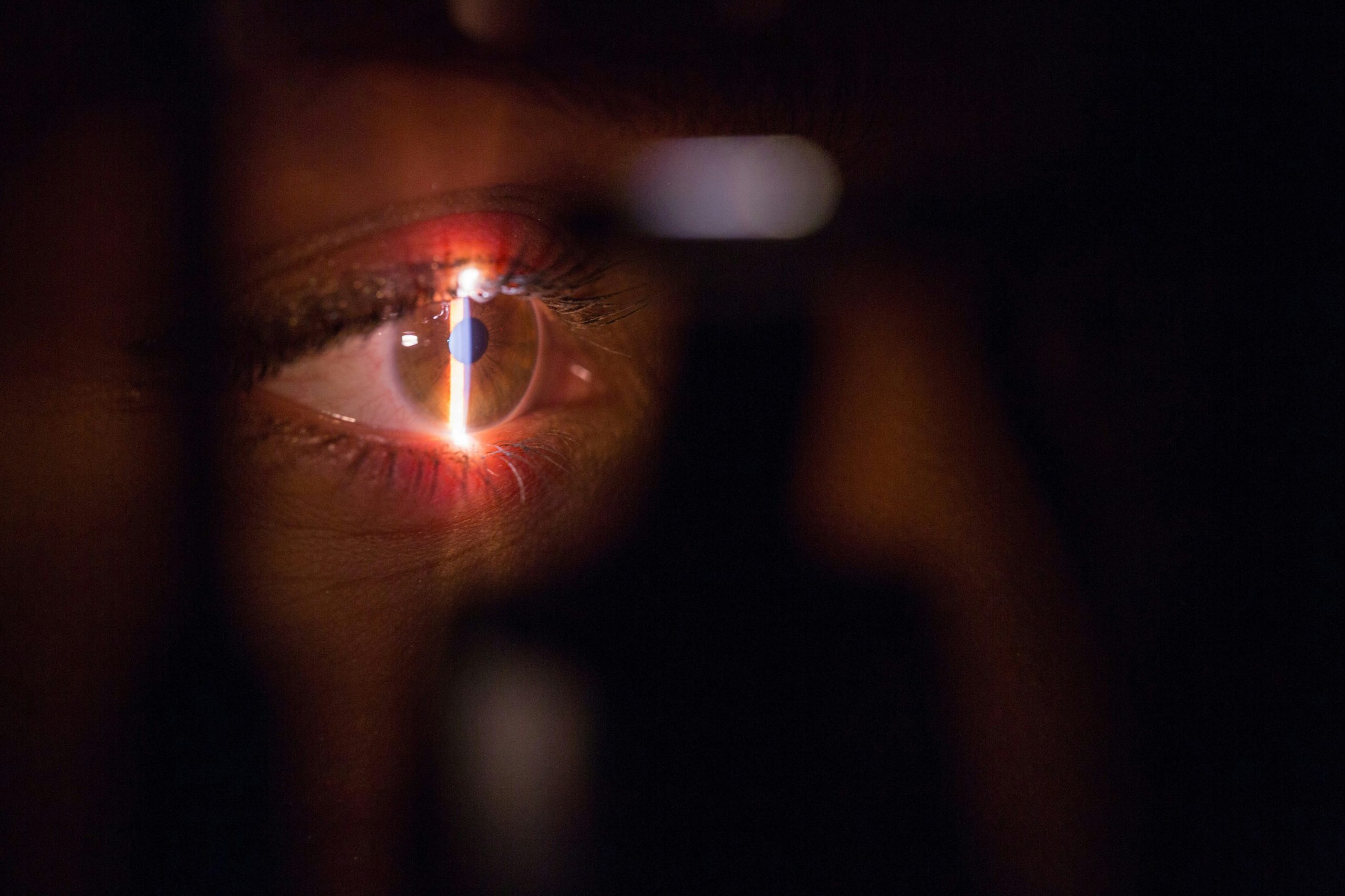

Breakthrough in Retinal Regeneration: Vision Restoration Moves Closer to Reality

Published: April 7, 2025 | Source: OBN
In a landmark advancement for ophthalmology, scientists at KAIST (Korea Advanced Institute of Science and Technology), in collaboration with biotech start-up Celliaz Inc., have successfully induced long-term neural regeneration in mammalian retinas for the first time. This breakthrough paves the way for future treatments capable of restoring vision in patients affected by irreversible retinal degeneration.
Why This Matters
Globally, more than 300 million people live with or are at risk of blinding retinal conditions such as macular degeneration, diabetic retinopathy, and retinitis pigmentosa. While modern medicine offers therapies to slow progression, there has been no approved treatment to restore damaged retinal neurons—until now.
The Discovery: Turning Back the Clock on Retinal Cells
The research team, led by Professor Jinwoo Kim at KAIST, identified a protein—PROX1 (Prospero Homeobox 1)—that plays a critical role in blocking the regenerative potential of Müller glia in mammalian retinas.
Unlike fish and other cold-blooded species that regenerate retinal neurons naturally, mammals typically lose this ability permanently. PROX1 was found to accumulate in damaged Müller glia, preventing them from becoming the neural stem cells needed for repair.
A New Therapeutic Strategy
To counter this mechanism, the team developed a PROX1-neutralizing antibody (CLZ001), designed by Celliaz Inc. This therapy was tested in preclinical models with outstanding results:
Direct injection into the eye triggered the regeneration of retinal neurons and restored vision for over six months.
Gene therapy delivery allowed for long-lasting regenerative effects in congenital degeneration models.
This is the first documented instance of successful, long-term retinal neural regeneration in mammals.
Clinical Trials by 2028
Celliaz Inc. is now moving toward clinical applications, aiming to begin human trials by 2028. The company is refining the antibody’s efficacy and safety across multiple disease models, with the long-term goal of offering a regenerative therapy for previously untreatable retinal conditions.
“We aim to bring real hope to patients facing permanent vision loss,” said Dr. Eun Jung Lee, lead researcher and Celliaz Inc. co-founder.
What It Means for UK Eye Care Professionals
This breakthrough signals a new era in ophthalmic care. For optometrists, ophthalmologists, and eye clinics in the UK, it opens doors to:
Regenerative treatment strategies that could complement existing care pathways
Involvement in future clinical trials or early-access programs
Opportunities for educational partnerships and professional development
Stay Ahead with NeedAnOptom
We’ll continue to share updates on medical innovations shaping the future of eye care. For news, recruitment support, or partnership inquiries:
www.needanoptom.com hello@naohealthcare.com Follow us on Instagram & LinkedIn
leave your comment