

The Directory of Ophthalmic Excellence: A Guide to Surgeon Specialties
The landscape of UK eyecare is undergoing a seismic transformation. We are moving away from the sprawling, generalised hospital wings of old and towards a streamlined, subspecialist-led ecosystem. At NeedAnOptom Healthcare, we call this the 'Surgical DNA' of modern ophthalmology.
As the industry pivots toward the "mini-hospital" model, high-tech, dedicated hubs that offer rapid, precise, and patient-centric care, the demand for highly specific surgical skill sets has never been higher. Whether you are a clinic director building a dream team or a consultant surgeon looking to plant your flag in a cutting-edge facility, understanding the full spectrum of ophthalmic excellence is non-negotiable.
This is the directory of the 11 key specialties that define the vanguard of NeedAnOptom Healthcare.
1. Retina: The Intricate Canvas
The retina is arguably the most complex territory in the eye. At NeedAnOptom Healthcare, we recognise that retinal specialists are the architects of vision preservation. This field is broadly split between medical and surgical intervention, requiring a surgeon who can navigate the microscopic nuances of the posterior segment.
- Medical Retina: Focusing on pharmaceutical and laser treatments for conditions like Macular Degeneration (AMD) and Diabetic Retinopathy.
- Surgical Retina & Vitreoretinal Surgery: The high-stakes world of Retinal Detachment repair and Vitrectomy.
- Uveitis: Often sitting at the intersection of retina and medical ophthalmology, managing complex intraocular inflammation.
2. Cataract & IOL: Precision at Scale
Cataract surgery remains the most performed procedure in the UK. However, the 'Surgery & Shift' movement has elevated this from a routine operation to a refractive event. The modern cataract surgeon is as much a refractive expert as they are a microsurgeon.
- Complex Cataract: Handling cases with weakened zonules or previous ocular trauma.
- Premium IOLs: The expertise to implant and manage EDOF (Extended Depth of Focus), multifocal, and toric lenses.
- Secondary IOLs: Specialising in IOL exchange or iris-fixated lenses for patients with previous complications.
3. Cornea & External Disease: The Clear Path
The cornea is the eye’s primary window. Mastery over this tissue requires a blend of surgical finesse and immunological expertise. As we see more 'mini-hospitals' specialising in ocular surface disease, the corneal surgeon’s role is expanding.
- Corneal Surgery & Transplants: Mastery of modern techniques like DALK, DMEK, and DSAEK, which have revolutionised recovery times compared to traditional PK (Penetrating Keratoplasty).
- Keratoconus: Managing irregular astigmatism through cross-linking and specialty segments.
- Dry Eye & Ocular Surface Disease: Clinical excellence in managing the burgeoning epidemic of modern ocular surface dysfunction.

4. Glaucoma: The Pressure Specialists
Glaucoma care is shifting from chronic management to proactive surgical intervention. We are seeing a massive uptake in MIGS (Minimally Invasive Glaucoma Surgery), allowing patients to reduce their reliance on drops much earlier in the disease process.
- Medical & Surgical Glaucoma: Balancing long-term pharmaceutical strategies with traditional trabeculectomy or tube shunts.
- MIGS: The cutting edge of glaucoma care, offering safer, faster alternatives to traditional surgery.
- Complex & Secondary Glaucoma: Managing high-pressure cases resulting from other ocular pathologies or steroid use.
The Master Reference: When we look at the evolution of glaucoma pathways, figures like Prof Rupert Bourne lead the way. His work in vision loss epidemiology and public eye health highlights the necessity for these risk-stratified, high-throughput clinics that define the modern hub.
5. Refractive Surgery: The Vision Architects
Refractive surgery is the pinnacle of lifestyle-enhancing medicine. It is a field defined by rapid technological leaps and the pursuit of 20/10 vision.
- LASIK, LASEK, & PRK: The foundations of laser vision correction.
- SMILE (Small Incision Lenticule Extraction): The latest evolution in flapless laser surgery.
- Phakic IOLs (ICL) & Refractive Lens Exchange (RLE): Providing solutions for patients outside the range of laser correction.
The Master Reference: Prof Dan Reinstein and his work at the London Vision Clinic exemplify this specialty. By pioneering high-frequency ultrasound imaging (Artemis) and PRESBYOND® Laser Blended Vision, Reinstein has shown how a dedicated refractive mini-hospital can deliver results that were previously thought impossible.
6. Diabetes & Medical Ophthalmology
Ophthalmology is often the first window into systemic health. Specialists in medical ophthalmology are the bridge between the eye and the rest of the body.
- Diabetic Eye Disease: Managing the retinal consequences of systemic diabetes.
- Hypertensive Retinopathy: Identifying and treating vascular changes in the eye.
- Neuro-ophthalmology: The complex interplay between the optic nerve and the brain.
7. Oculoplastics: The Aesthetic & Functional Guard
Oculoplastic surgeons combine the precision of ophthalmology with the aesthetic eye of a plastic surgeon. In the modern private hub, this specialty is a major driver of patient demand.
- Eyelid Surgery & Ptosis: Correcting functional and cosmetic drooping.
- Blepharoplasty: A cornerstone of both clinical and aesthetic oculoplastics.
- Lacrimal & Orbital Surgery: Managing tear duct obstructions and complex orbital pathology such as Thyroid Eye Disease.
8. Paediatric Ophthalmology: Caring for the Future
Treating children requires a unique set of clinical skills and a high degree of empathy. This specialty is vital for early intervention and lifelong vision outcomes.
- Strabismus (Squint): Correcting ocular alignment in both children and adults.
- Amblyopia: Managing "lazy eye" through patching and clinical therapy.
- Paediatric Cataract & Glaucoma: Rare but critical surgical interventions for the youngest patients.

9. Neuro-Ophthalmology: The Neural Link
Where the eye meets the brain, neuro-ophthalmologists solve the most challenging puzzles in clinical practice.
- Optic Nerve Disease: Diagnosing and treating inflammatory and ischaemic neuropathies.
- Visual Pathway Disorders: Managing vision loss stemming from neurological events.
- Idiopathic Intracranial Hypertension (IIH): A growing clinical concern requiring careful multidisciplinary management.
10. Ocular Oncology: The Rare Specialists
Ocular oncology is a highly centralised field, with UK hubs managing rare and complex eye cancers for the entire country.
- Retinoblastoma & Uveal Melanoma: Life-saving interventions for intraocular tumours.
- Orbital Tumours: Complex surgical removals involving multi-specialty teams.
The Master Reference: Prof Mandeep Singh Sagoo, a Consultant at Moorfields and Barts, represents the absolute peak of this field. His work in precision diagnostics and molecular pathology is what allows modern eyecare hubs to feed into national centres of excellence, ensuring even the rarest conditions are caught and treated early.
11. General & Comprehensive Ophthalmology
The backbone of any ophthalmic service. General ophthalmologists provide the broad-based clinical triage and care that keeps the system running.
- Broad-based Clinics: Handling mixed pathology and non-surgical care.
- Community Ophthalmology: Providing accessible care outside the traditional tertiary hospital setting.
The 'Surgery & Shift' Series: Why the Mini-Hospital Wins
Why are we so focused on this 11-point clinical list? Because the UK market is shifting. The 'Surgery & Shift' series explores how ophthalmology is moving out of the multi-disciplinary general hospital and into dedicated, high-tech clinical hubs, essentially, mini-hospitals.
These hubs are designed around the "Surgical DNA" we’ve just outlined. By concentrating specific expertise (like the refractive mastery of a Dan Reinstein or the glaucoma precision of a Rupert Bourne) into a focused environment, we achieve:
- Lower Infection Rates: Dedicated eye theatres reduce the risk of cross-contamination.
- Higher Throughput: Streamlined pathways mean more patients treated with better outcomes.
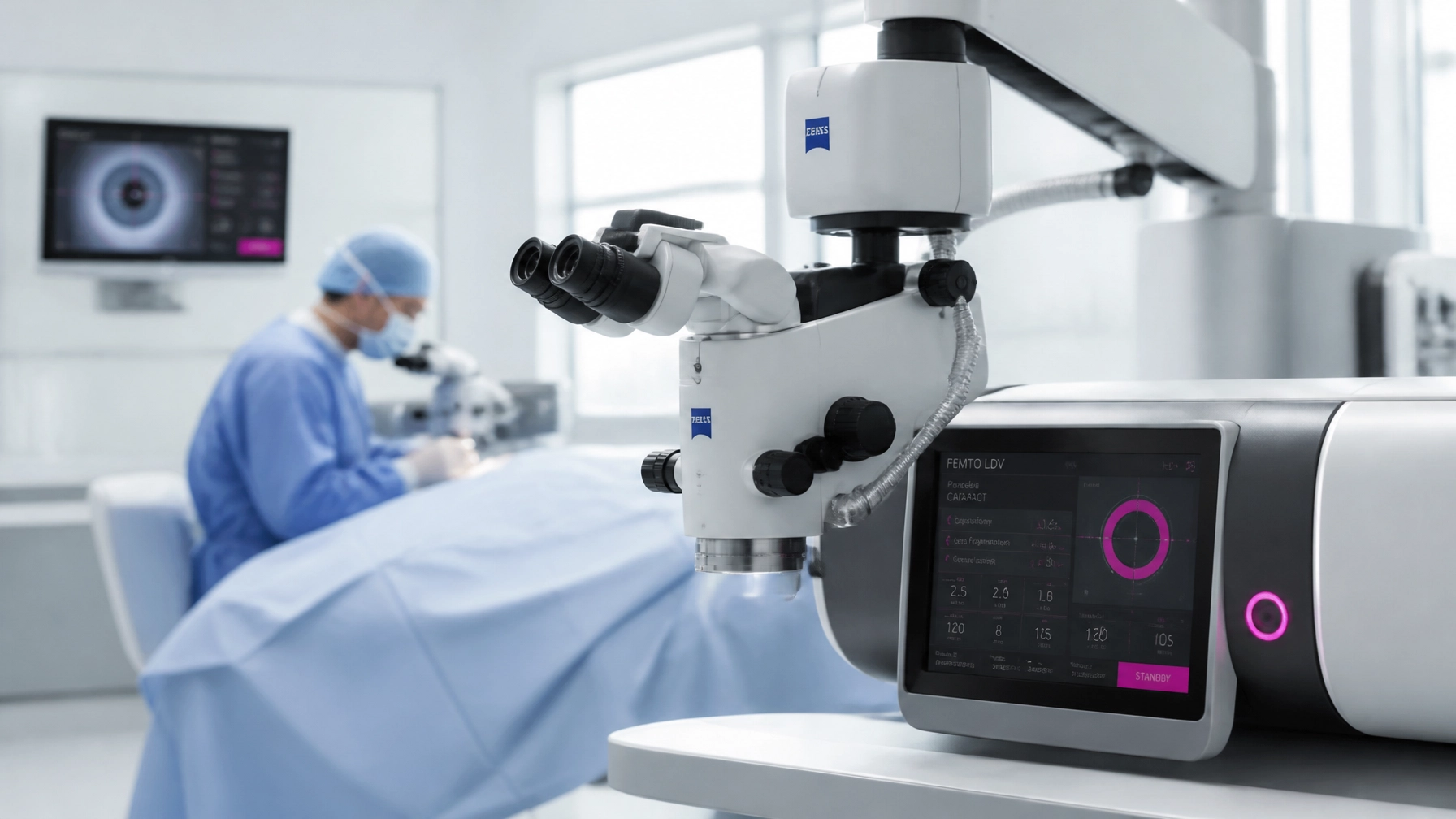
- Advanced Tech Integration: When a clinic specialises, it can afford the high-end OCT, laser platforms, and digital microscopes that general units cannot.

Your Next Move in the Ophthalmic Revolution
At NeedAnOptom Healthcare, we don’t just fill jobs; we map the Surgical DNA of the UK’s leading eye centres. We understand that a medical retina specialist has a vastly different set of needs than a refractive surgeon. We know that a mini-hospital in London requires a different clinical lead than a community-based cataract hub in the Midlands.
Are you a clinic looking to hire a specific subspecialist?
Don't settle for a general recruiter who doesn't know their DALK from their DMEK. We speak the language of the theatre. Explore our employer services here.
Are you a surgeon ready to join a high-tech hub?
The shift is happening. Your skills are in demand in the next generation of UK mini-hospitals. Browse our latest ophthalmic vacancies.
The future of ophthalmology is subspecialised, technology-driven, and patient-centred. Welcome to NeedAnOptom Healthcare: where clinical excellence meets recruitment precision.
NeedAnOptom Healthcare: Recruitment built by opticians, for the entire optical sector. Website and digital infrastructure managed by ZeroPoint Creative.
leave your comment